
Daily Home Organization Routines That Actually Keep Your Home Clutter-Free
Keeping your home organized isn’t about big cleaning days — it’s about preventing clutter from building up in the first place.
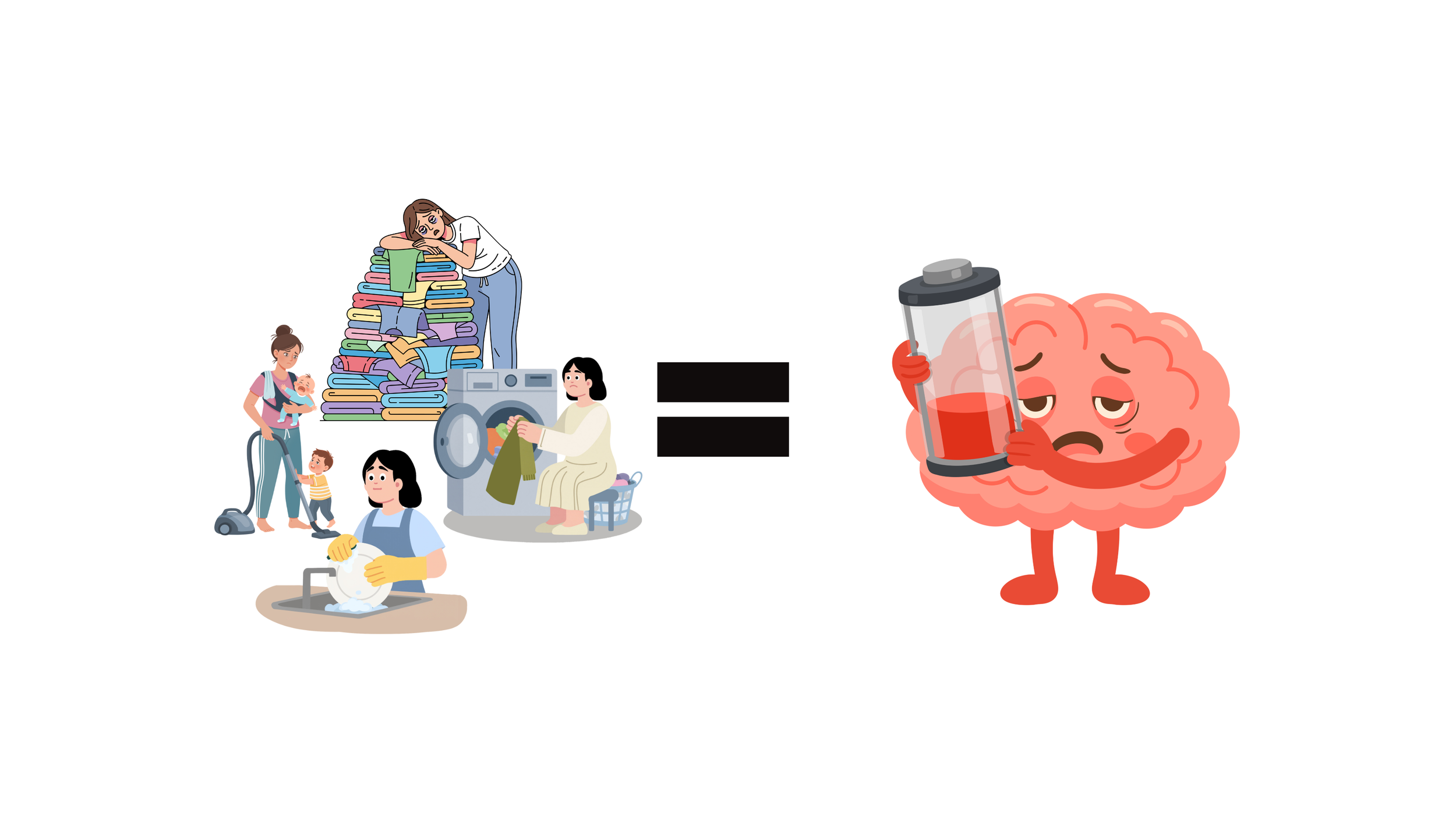
Most people think organization fails because they “don’t keep up,” but the real issue is simpler: clutter accumulates faster than we notice it. Every surface collects small decisions — things to put away, papers to sort, items to return. Individually, they’re minor. Together, they create constant visual noise.
Research in environmental psychology shows that our brains treat visual clutter as “unfinished tasks,” even when we’re not consciously aware of them. That means a messy surface doesn’t just affect how your home looks — it actively increases mental load in the background.
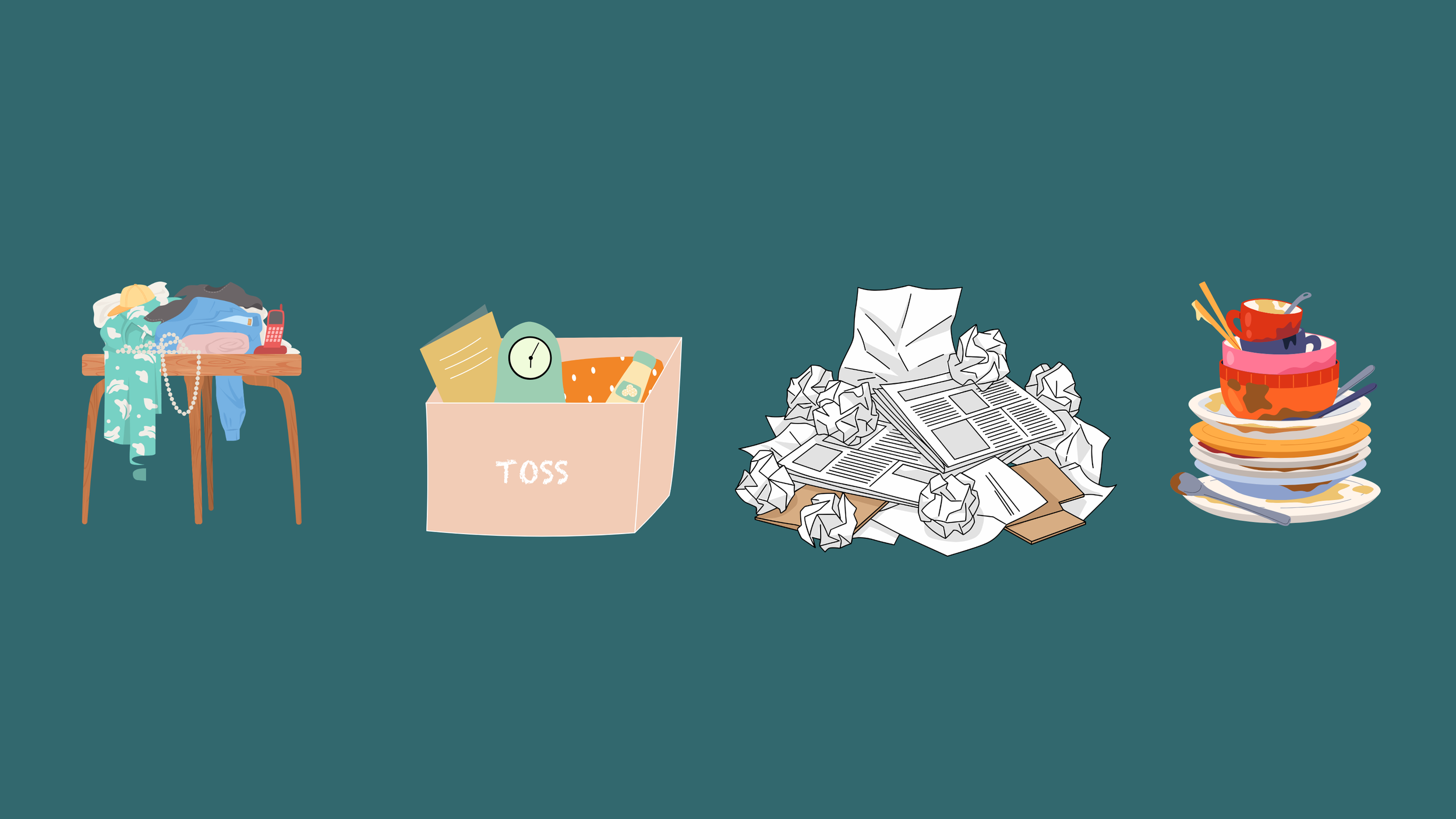
The goal of daily organization isn’t perfection. It’s reducing that mental load before it builds.
Make Your Bed Each Morning
Making the bed is often treated like cliché organization advice, but there’s a reason it has such an immediate impact on how a room feels.
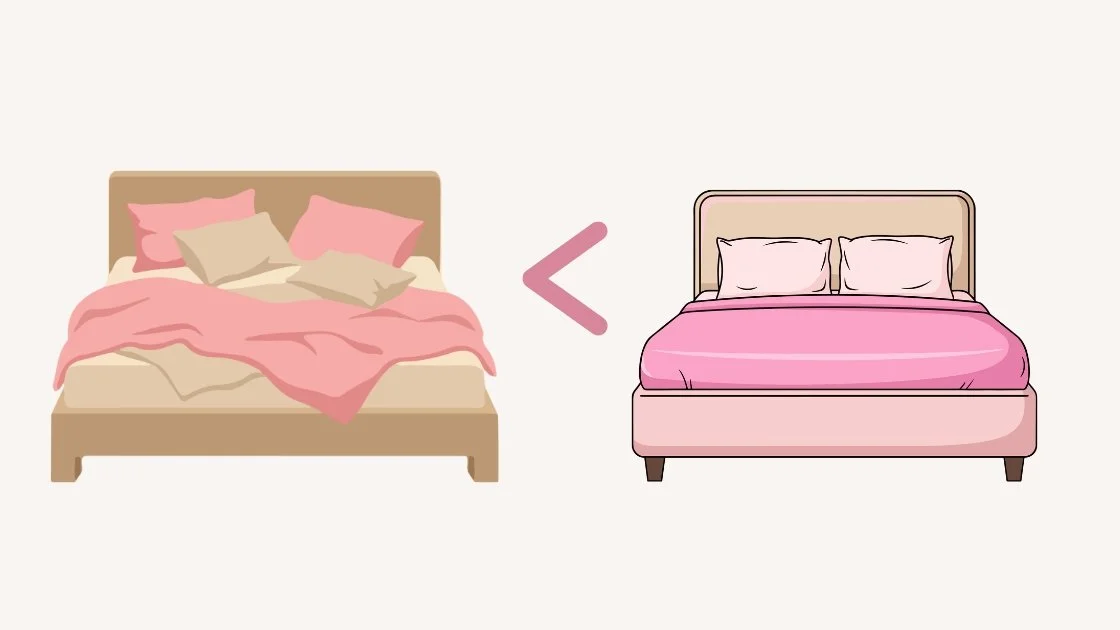
Your brain is highly sensitive to large visual anchors in a space. An unmade bed signals “unfinished environment,” which subtly increases cognitive friction — your brain registers the room as incomplete, even if everything else is clean.
Making the bed creates instant visual closure. It removes the largest source of visual disruption in the room and gives your brain a quick signal: this space is reset.
That’s why it often feels like the entire room is cleaner afterward — even though only one thing changed.
Clean as You Cook
The kitchen is one of the fastest places for mental overload because it reflects real-time progress.
When dishes, packaging, and utensils pile up, your brain doesn’t see “a meal being made.” It sees multiple unfinished micro-tasks competing for attention.
Cleaning as you cook prevents that accumulation:
Toss packaging immediately
Load dishes during downtime
Wipe surfaces between steps
This keeps the kitchen in a “low visual load state,” which reduces end-of-day fatigue.

Throw Away Junk Mail Immediately
Paper clutter is uniquely draining because it represents decisions deferred.
Even junk mail registers as “something I should sort,” which creates a subtle cognitive loop every time you see it. That loop adds up over time.
A 10-second decision rule works best:
Keep (rare)
Act (immediately)
Recycle (most items)
The goal is to prevent paper from ever becoming a “to-do pile.”
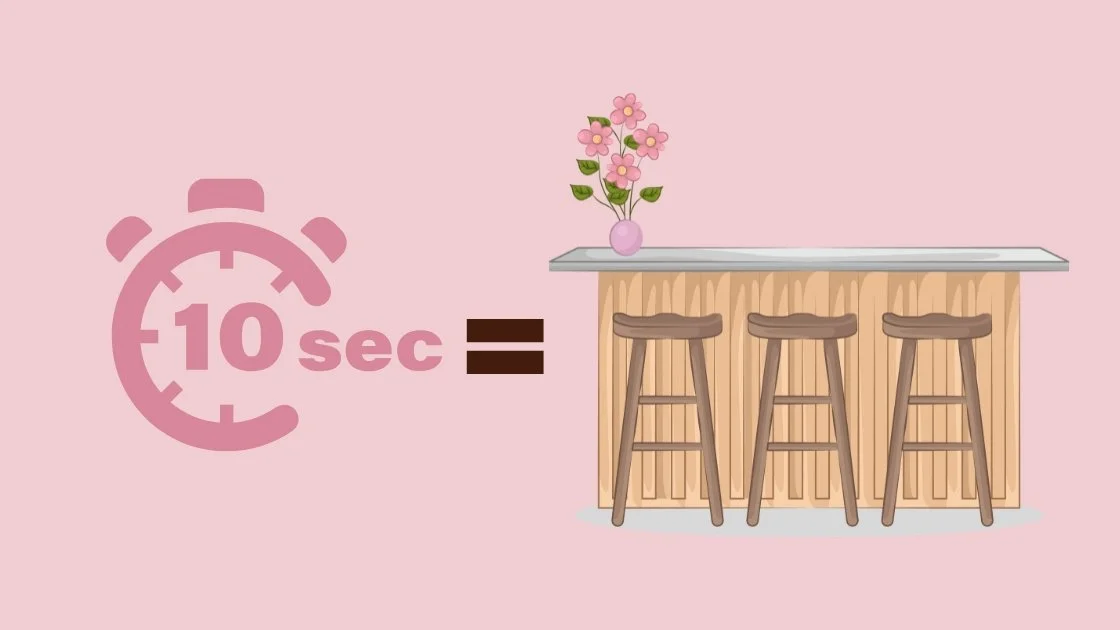
Use Small Pockets of Time
Most organization systems fail because they rely on motivation, not timing.
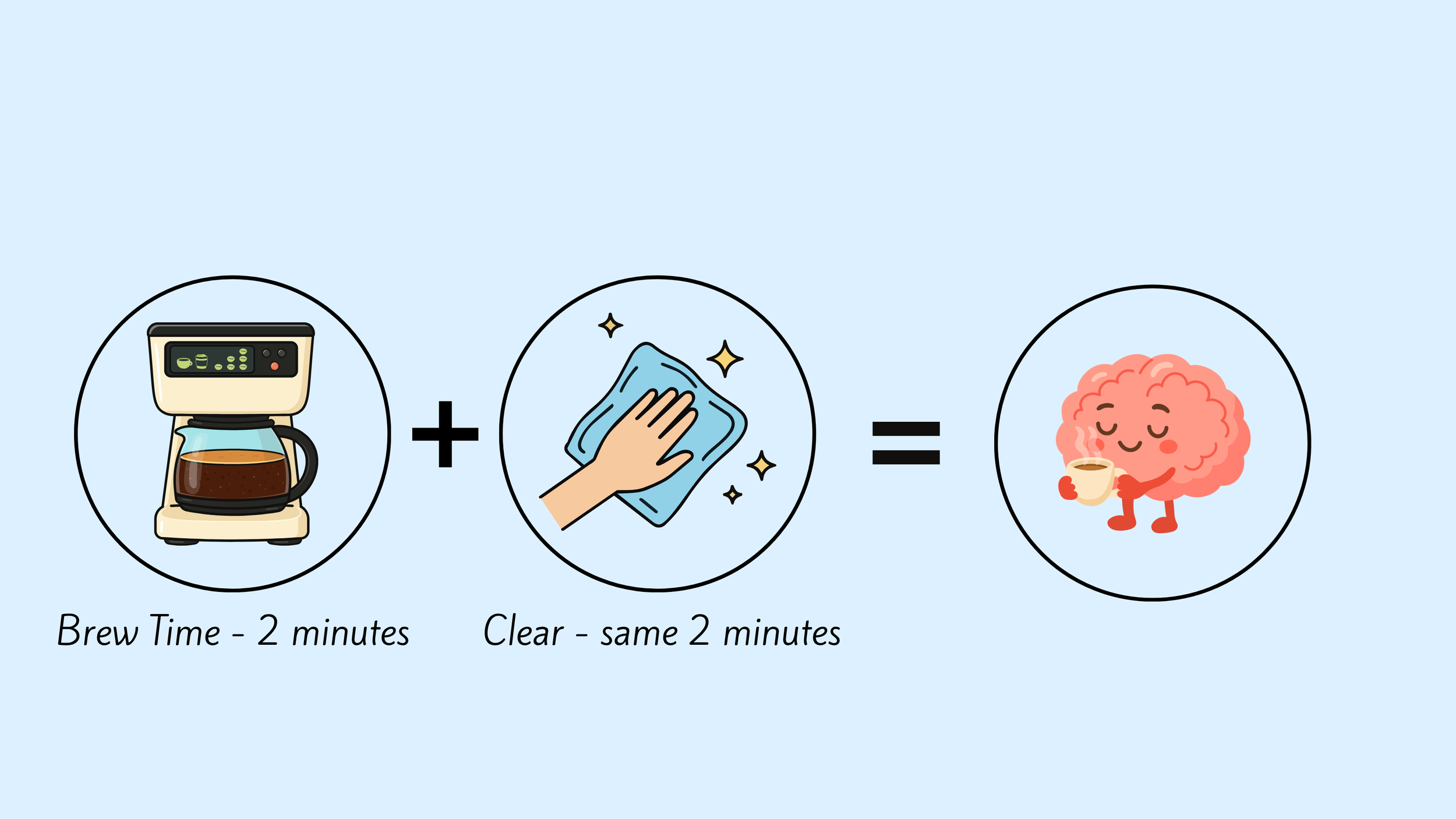
But behavior research shows that micro-actions (under 2 minutes) are more sustainable than scheduled cleaning blocks because they attach to existing routines.
Examples:
While waiting for coffee: clear a counter
Before leaving a room: reset surfaces
Before bed: put out-of-place items away
These actions interrupt clutter before it compounds.
The goal isn’t to keep your home perfectly clean every second of the day. It’s to create systems that make life feel a little lighter, calmer, and easier to manage.
Small resets may not seem significant in the moment, but over time, they completely change how a home functions. A few minutes here and there can prevent the overwhelming “everything got out of control” feeling that so many people experience.
Organization doesn’t have to happen in one huge weekend overhaul. More often, it’s built quietly through consistent habits that fit naturally into everyday life.
Start small. Pick one surface, one drawer, or one routine to reset this week. Those small pockets of time add up faster than you think — and so does the peace that comes with them.